How to Spot an Unlicensed Supplement on Amazon.ca
Comparison of Prices, Services & Prescribing Standards Finals


Free shipping on all orders
30-Day Guarantee
Comparison of Prices, Services & Prescribing Standards Finals

A note from Mansour, founder of Live 5AM. I sell on Amazon.ca myself, so I spend a lot of time on both sides of a listing: what a brand puts in the bullets, and what the licence behind the product actually says. Most shoppers only ever see the first half. Here is how to check the second half before you buy, using the same free tools I use.
To spot an unlicensed supplement on Amazon.ca, find the eight-digit NPN (or a DIN-HM for homeopathics) on the label image, then search it in Health Canada's Licensed Natural Health Products Database. An active record should match the product's ingredients, doses and claims. A missing number, a number that does not resolve, or marketing that goes beyond the licensed use are the three red flags.
Do not expect it in the title or the bullets. On many listings the NPN appears only on the product label, which means it lives in the image gallery rather than in searchable text.
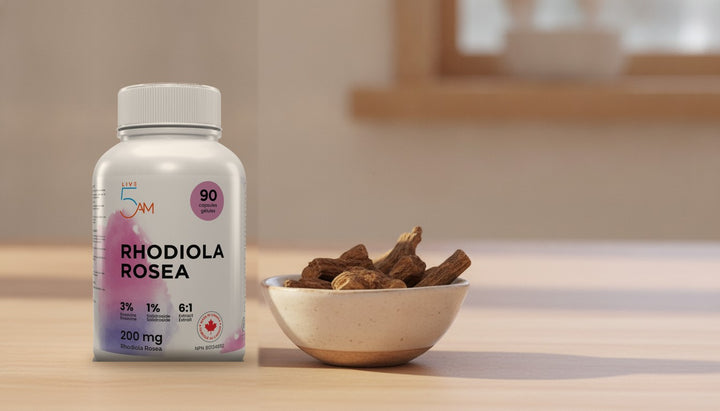
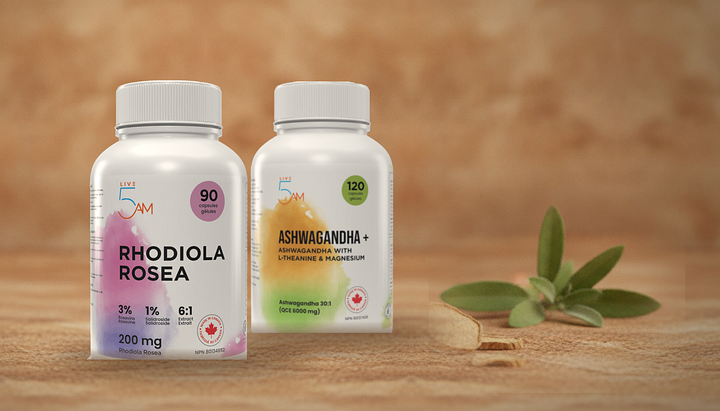
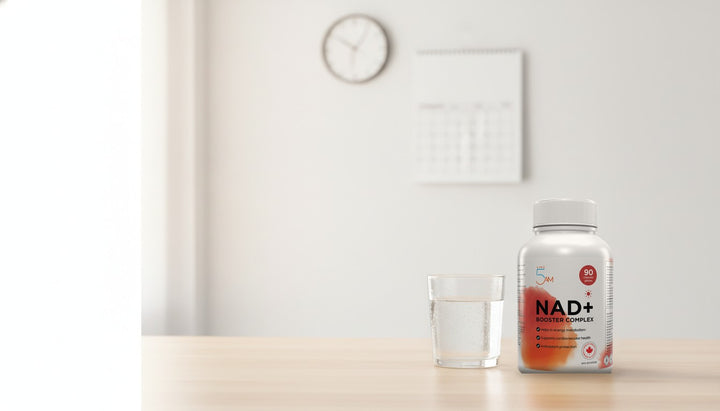
Open the listing images and zoom in on the front panel and the side or back panel. Look for the letters NPN followed by eight digits, usually near the product name, the dose or the "Medicinal ingredients" box. If every image is a lifestyle photo or a rendering and none shows a legible label, that is worth noting before you go any further.
You can also message the seller through the listing and ask for the NPN. A brand with a licence knows its number by heart and will usually answer in one line. Silence, or an answer about "Health Canada approved facilities" instead of a number, tells you something too.
An NPN (Natural Product Number) is eight digits, and recent licences generally begin with 80. Homeopathic medicines carry a DIN-HM (Homeopathic Medicine Number) in the same eight-digit format. A DIN on its own is a drug identification number, which is a different category of product.
The legal backdrop is simple. Section 4(1) of the Natural Health Products Regulations says that no person shall sell a natural health product unless a product licence has been issued for it. The NPN is how that licence shows up on a label.
Two phrases are not the same thing as a licence number: "made in a GMP facility" and "Health Canada approved" with no digits attached. The first describes where a product was made. The second is a claim, and a claim you cannot look up is not evidence.
Take the number to the Licensed Natural Health Products Database and open the record. Our full guide to verifying an NPN walks through the screens. For a listing check, you only need five comparisons:
When any of the five fails, the number may have been copied from a different product or an older formulation. That does not prove bad intent, but it does mean the licence you looked up is not a licence for the bottle you are about to buy.
In rough order of seriousness:
Because appearance is the cheapest thing to copy. Independent testing of supplements bought online has repeatedly found gaps between label and bottle, though none of it is a measurement of Amazon.ca specifically.
In a 2025 Swiss study, researchers bought 40 andrographis products from 13 countries, 27 of them from online retailers. Measured andrographolide ranged from 29% to 174% of the labelled dose, only 2 products were accurately labelled, and three online-purchased products contained contaminants including mercury or pesticides. In a 2024 JAMA Network Open case series, 25 of 30 online-marketed weight loss supplements had inaccurate labels.
Two honest caveats. These are different products in different countries, so they say nothing about the share of Amazon.ca listings that are a problem. And a Canadian licence is not a lab test of your batch either, because licensing assesses the product specification, not the individual bottle. What the check does is remove the most basic failure: a product nobody in Canada has reviewed.
Pause the purchase. Message the seller and ask for the NPN and, if you want batch-level assurance, a certificate of analysis tied to a lot number. Brands with nothing to hide tend to reply quickly.
If the seller cannot show a valid licence, buy something else. You can use the "Report an issue with this product" link on the listing to flag it to Amazon, and you can raise concerns with Health Canada. If you have already taken a product and had a reaction, speak with a health care professional first.
You only need to do this once per product, the first time you buy it. Zoom into the label image, copy the NPN, search it, and compare the five items above. Then save the number in your notes and move on until the formula changes.
Try it on a bottle you already own. Ours are easy to check: NMN 600mg carries NPN 80139033, and its licensed uses include helping in energy metabolism and tissue formation. Search the number, read the recommended use, and see whether our page stays inside it. If you want the regulatory background for that product first, our NMN supplement Canada guide covers what is permitted.
Natural health products sold in Canada need a product licence, and the licence number appears on the label as an NPN, or a DIN-HM for homeopathic medicines. Section 4(1) of the Natural Health Products Regulations prohibits selling one without it. Products that are not natural health products, such as some foods, follow different rules.
Zoom into the label image in the listing gallery, copy the eight-digit number, and search it in Health Canada's Licensed Natural Health Products Database. Confirm the licence is active and that the ingredients, doses and recommended use match the product and its marketing.
DIN-HM stands for Homeopathic Medicine Number. It is the licence number for homeopathic products, in the same eight-digit format as an NPN. A plain DIN without the HM is a drug identification number, which is a different category.
It is a strong first step, not the last one. The number only helps if the record matches the product in your hand. Licensing also assesses the product specification rather than your individual batch, so a certificate of analysis is the next level of assurance.
Yes. The NPN is only as useful as the match between the licensed recommended use and the marketing. If the bullets promise outcomes that the authorized wording does not state, the brand is going beyond its licence, and that is worth treating as a warning sign.
The most reliable thing on an Amazon.ca supplement listing is a number you can look up for free. Find it on the label image, search it, and make sure the record fits the product and the promises.
It takes two minutes, it needs no special knowledge, and it filters out the biggest category of avoidable mistakes. If a listing cannot pass it, you have lost nothing by walking away.
This article is for informational purposes only and is not medical advice. Licence records change, so always check the current entry on Health Canada's site. Speak with a health care practitioner before starting a supplement, and report any reaction to a product to a health care professional.
About the Author
Mansour Norouzi is the founder of Live 5AM, a Health Canada NPN-licensed supplement brand based in Toronto. He personally reviews every article published here. Questions or corrections: info@live5am.com

NAD+ precursor. Supports energy metabolism and antioxidant protection.